
Cybersecurity in 2026
The unfortunate truth that businesses must face in 2026 is that a cyberattack is going to happen.
Sadly, it is no longer an if, but a when.
Technology continues to advance at a rapid rate, and whilst this has provided modern businesses with the tools and features that have the ability to grow and thrive, it has also provided cybercriminals with additional avenues to exploit.
A single phishing email can lead to stolen funds, leaked customer data, or an account takeover that spreads quietly for weeks. And the scary part? Many incidents still start with simple cybersecurity gaps, such as weak logins, missing updates, or staff being tricked at the wrong moment.
For a lot of small-to-medium enterprises (SMEs) in Australia, the jargon surrounding cybersecurity in 2026 can feel overwhelming. Terms like “polymorphic malware” or “agentic AI” can sound like science fiction, but their impact on your bottom line can be very real.
This blog looks to break down the current state of cybersecurity in 2026, and explore how Adept IT Solutions can act as your dedicated cybersecurity service provider to keep your data, systems, and your reputation secure.
Ransomware in 2026
Ransomware is malware that locks (encrypts) your files or systems and demands payment to restore access. Modern groups often run “double extortion”, meaning they steal data first, then threaten to leak it if you don’t pay. Even if you can restore from backups, the data-theft can trigger legal, reputational, and customer-trust fallout.
In Australia, ransomware remains one of the most disruptive cybercrime threats, and the national response data shows it continues to hit organisations across the economy.
Phishing in 2026
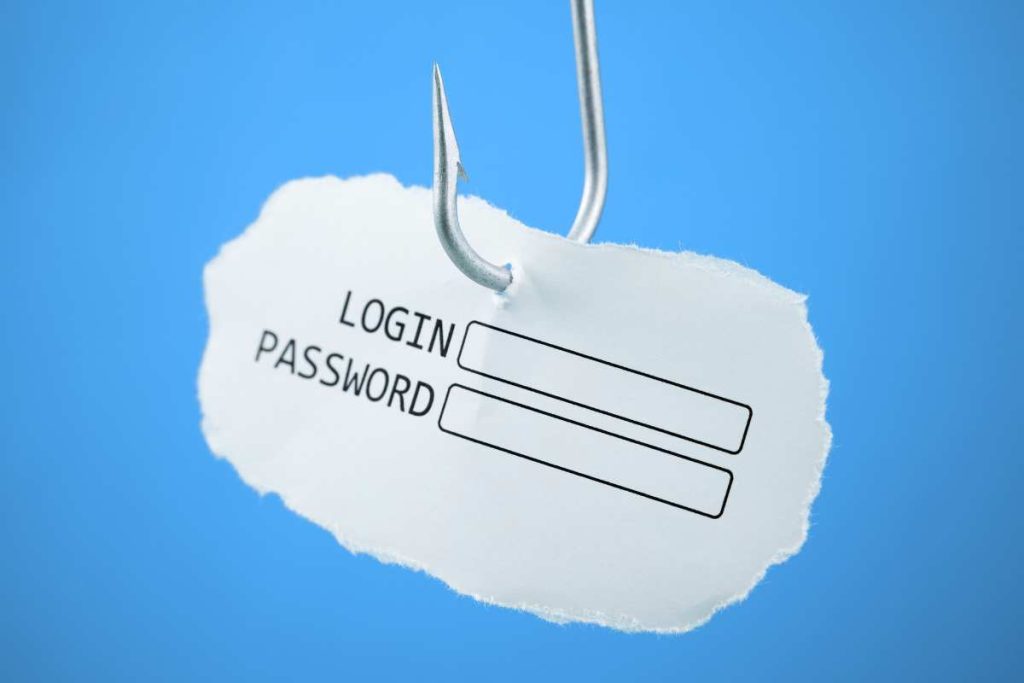
Phishing is when attackers impersonate a trusted person or brand to trick someone into clicking a link, opening a file, or handing over credentials such as usernames and passwords. In 2026 it’s increasingly multi-channel: email plus SMS, Teams/Slack-style messages, phone calls, QR codes (quishing), and AI-generated content that looks and sounds believable.
Some 2026 threat reporting highlights the ongoing shift toward slicker, more convincing scams, including deepfake-assisted social engineering.
Building your Business Cybersecurity in 2026
Whilst ransomware, malware, and phishing are still 3 of the primary types of threats to cybersecurity in 2026, cybercriminals are always evolving, and businesses must stay vigilant to stay ahead.
5 Major Cyberattack Types Impacting Cybersecurity in 2026
Credential Stuffing: This is a highly automated attack where hackers take lists of usernames and passwords leaked from other websites (like an old social media breach) and “stuff” them into your business’s login portals to see if they work. Because many people reuse passwords, this is one of the most successful ways hackers gain entry in 2026.
In plain English, a burglar finds a master key that was dropped by someone else and walks around the neighbourhood trying it on every single front door until they find one that unlocks.
Distributed Denial of Service (DDoS): A DDoS attack occurs when an attacker floods your website or online network with so much fake traffic that it crashes. For cybersecurity in 2026, these attacks have become “hyper-volumetric,” meaning they use millions of AI-controlled devices (like smart fridges and cameras) to knock businesses offline in seconds.
Put another way, Imagine 5,000 people trying to walk through your office’s front door at the exact same time. Real customers can’t get in, and your staff can’t get out. The “door” (your server) simply breaks under the pressure.
Man-in-the Middle (MitM) Attacks (DDoS): As hybrid and remote work continues to be a common occurrence in 2026, MitM attacks are a major risk for staff working from cafes or airports. The attacker “inserts” themselves between your employee’s laptop and the internet, allowing them to see everything, passwords, emails, and bank details, being sent back and forth.
Simply put, it’s like a rogue postman opening your mail, reading it, resealing it, and then delivering it so you never know it was tampered with.
SQL Injection (SQLi): This attack targets the databases behind your website or business software. Attackers “inject” malicious code into a simple search bar or login field. If the system isn’t secured, it can be tricked into dumping your entire customer list or deleting all your records.
In simple terms, think of a form you fill out at a bank. Instead of writing your name, you write a command that says, “Open the vault and give me the money.” If the clerk (your website) isn’t trained to ignore that command, they’ll follow it.
Social Engineering (Pretexting and Baiting): While phishing uses email, these social engineering attacks use human psychology. Pretexting involves a hacker calling your office pretending to be “IT Support” or a “Bank Auditor” to trick staff into giving away secrets. Baiting involves leaving an “infected” USB drive in your office kitchen, hoping a curious employee will plug it into their computer.
In everyday terms, this is the “Con Artist” of the digital world. They don’t break in through a window; they talk your staff into opening the front door for them.
How Local IT Support Helps with Cybersecurity in 2026
While the internet is global, your business is local. For your cybersecurity in 2026, partnering with a local provider like Adept IT Solutions offers three distinct advantages that offshore services simply cannot match.
Understanding the Australian Regulatory Landscape
Australia’s Privacy Act ensures businesses now face much stricter penalties for failing to protect customer data. A local IT provider like ourselves understands these specific Australian laws and ensures your business stays compliant, avoiding massive fines and legal headaches.
The “Essential Eight” Expertise
The Australian Government recommends the Essential Eight as the baseline for all businesses’ cybersecurity in 2026. We specialise in helping Aussie firms uplift their maturity level within this framework. Whether it’s restricting administrative privileges or configuring Microsoft 365 correctly, we speak the language of Australian cyber-safety.
Rapid On-Site Support
If your network goes down or you suspect a data breach, you don’t want to be stuck in a “support ticket” queue with a call centre in a different time zone. Having a local team means we can provide immediate remote assistance or quickly be at your office in person if the situation demands it.
Ready to solidify your cybersecurity in 2026?
Contact us today! You can reach out via phone at 1300 423 378 or email us at info@adept-it.com.au.

