
Zero-Trust Cybersecurity
Cybersecurity has changed. The old idea that you could build a strong security perimeter around your business and trust everything inside it no longer holds up. Staff work remotely, cloud platforms host critical systems and cyberattacks increasingly begin with stolen identities rather than hacked servers.
If your security model still assumes that “anything inside the network is safe,” you are exposed.
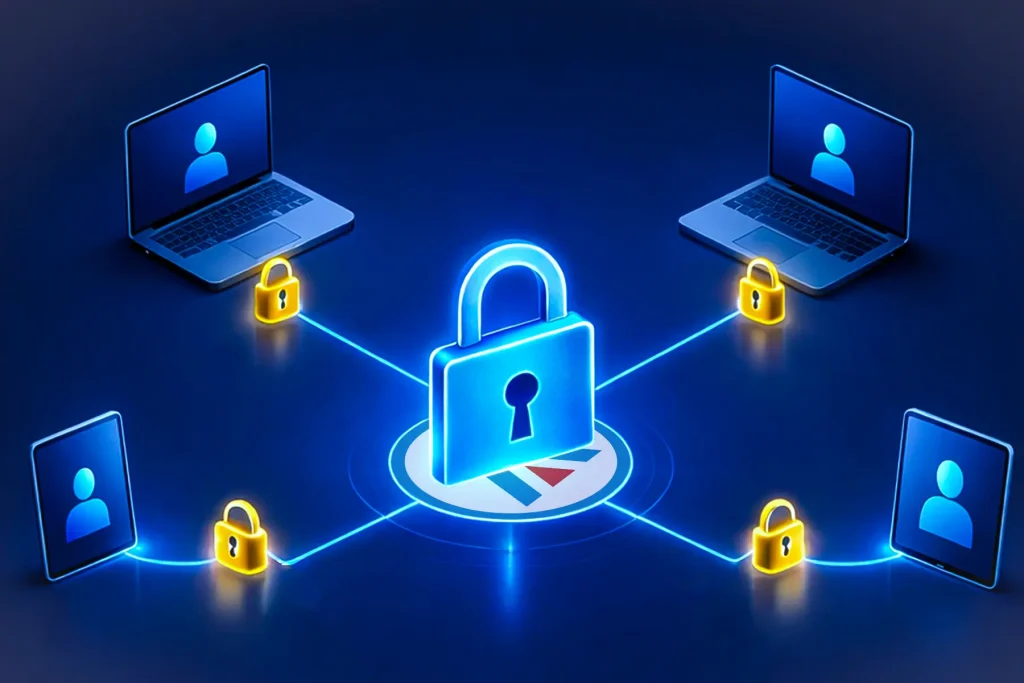
Zero-Trust cybersecurity flips that assumption. Instead of trusting anything by default, every user, device, and request is treated as untrusted until proven otherwise. This shift isn’t just a technical upgrade, rather a business risk decision about how you protect data, keep operations running, and avoid the cost and disruption of modern cyber incidents.
What does “Zero-Trust” Actually Mean?
At its core, Zero-Trust means no trust by default.
The name “Zero Trust” can sound a bit cynical, perhaps even insulting to a loyal workforce. However, in the context of Managed IT Services, it is the most practical way to ensure business continuity. At its heart, Zero-Trust operates on a single, unwavering principle: “Never trust, always verify”.
Traditional cybersecurity models were built around the idea of a secure internal network and an untrusted external world. Firewalls, VPNs, and perimeter defences created a digital “front door.” Once a user or device was inside, they often had broad access to systems and data.
Zero-Trust removes that implicit trust. It assumes:
- The network is already compromised or could be at any moment
- User credentials can be stolen
- Devices can be infected without obvious signs
- Cloud systems are just as vulnerable as on-premise servers
In a Zero-Trust model, access is continuously verified based on identity, device health, location, and behaviour. Just because someone logged in successfully at 9:00am does not mean they should automatically be trusted at 11:00am to access sensitive systems.
This is not about paranoia. It is about aligning your cybersecurity strategy with how cyberattacks actually happen today.
Why do Businesses Need Zero-Trust Cybersecurity?
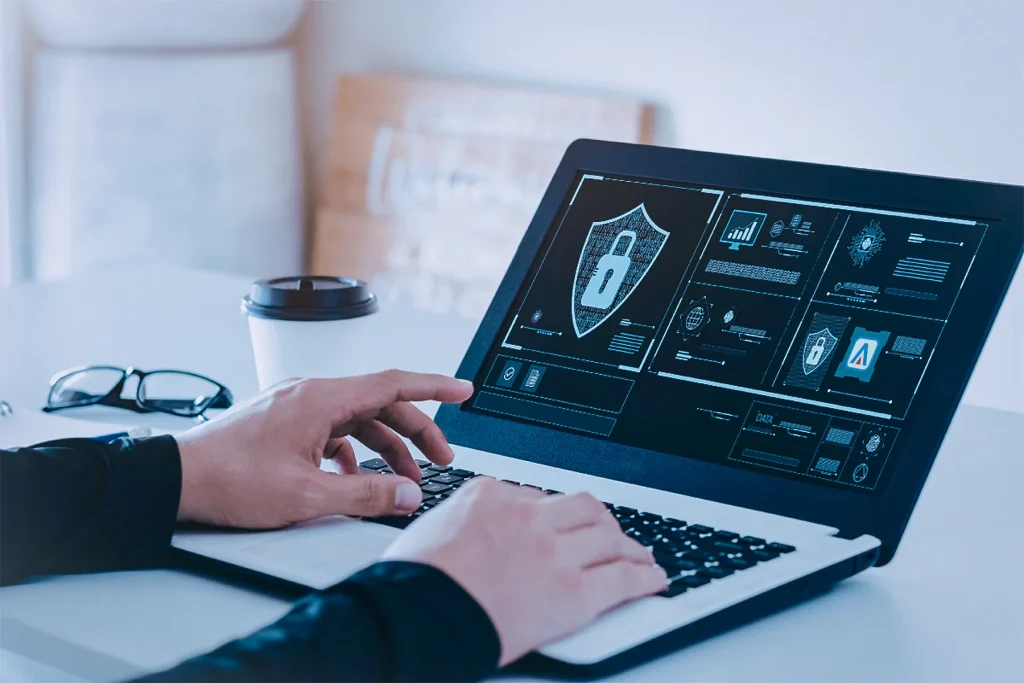
The Zero-Trust security model isn’t a choice driven by IT departments, it’s a necessity driven by the way we work now. The traditional perimeter model has three major blind spots that modern cyber criminals exploit every day.
First, the “insider threat” is a massive risk. This isn’t always a disgruntled employee looking to do harm. More often, it is a well-meaning staff member whose credentials have been compromised through a phishing email. Once the attacker is inside your system, the traditional model can often assume they belong there. Zero-Trust assumes the opposite, requiring constant verification that prevents a single compromised password from turning into a company-wide issue.
Second, the rise of “Bring Your Own Device” (BYOD) has introduced complications for business IT. When employees check work emails on a personal tablet or phone that lacks proper security updates, they create a bridge for malware to enter your business environment. A Zero-Trust framework checks the health of that device before it allows a connection. If the device is unpatched or looks suspicious, the gate stays closed.
Third, the cloud has moved the “data centre” to the internet. You need a security model that follows the data wherever it goes. Zero-Trust provides a consistent layer of cyber protection regardless of where the user is or where the data is stored.
Zero-Trust Cybersecurity for Small and Medium Sized Businesses
There is a common misconception that Zero-Trust cybersecurity is only for large enterprise businesses. In reality, small and mid-sized businesses often benefit the most.
Smaller organisations tend to rely heavily on cloud platforms and remote workers. These environments already operate beyond traditional network boundaries. Zero-Trust aligns naturally with this reality.
The key is proportional implementation. Zero-Trust does not require complex enterprise tooling from day one. It starts with strong identity security, sensible access controls, and continuous verification. Over time, the model matures as the business grows.
For many businesses, the move toward Zero-Trust is less about adopting something new and more about formalising what good cybersecurity practice already looks like in a modern environment.

Implement Zero-Trust Cybersecurity Today!
Protecting your business in the modern era requires a departure from an outdated mindset of the past. By adopting a Zero-Trust framework, you aren’t just protecting your data, you are building a resilient foundation that allows your company to grow and adapt in an increasingly digital world.
If you are thinking about how to strengthen your cyber protection strategy, the most valuable starting point is not technology. It is understanding where trust exists in your environment today, and whether that trust is truly deserved.
Having that conversation early, before an incident forces it, is often what separates resilient businesses from those that spend months recovering from a single cyberattack.
Get in touch with our team of IT experts today! You can contact us via phone at 1300 423 378 or email us at info@adept-it.com.au.

