
Managed Detection and Response (MDR)
Cyber threats don’t work office hours. They can strike late at night, over weekends, and during public holidays, often when no one is actively watching your systems. That reality is exactly why Managed Detection and Response (MDR) has become a core part of modern cybersecurity strategies for businesses of all sizes.
If you’re trying to understand what MDR actually is, how it differs from traditional cybersecurity tools, and whether it’s worth investing in, this blog will explain its purpose, and why businesses should be looking into this moving forward.
What is Managed Detection and Response (MDR)?
MDR is a fully managed cybersecurity service that continuously monitors your IT environment, detects suspicious activity, investigates potential threats, and actively responds when something malicious is identified.
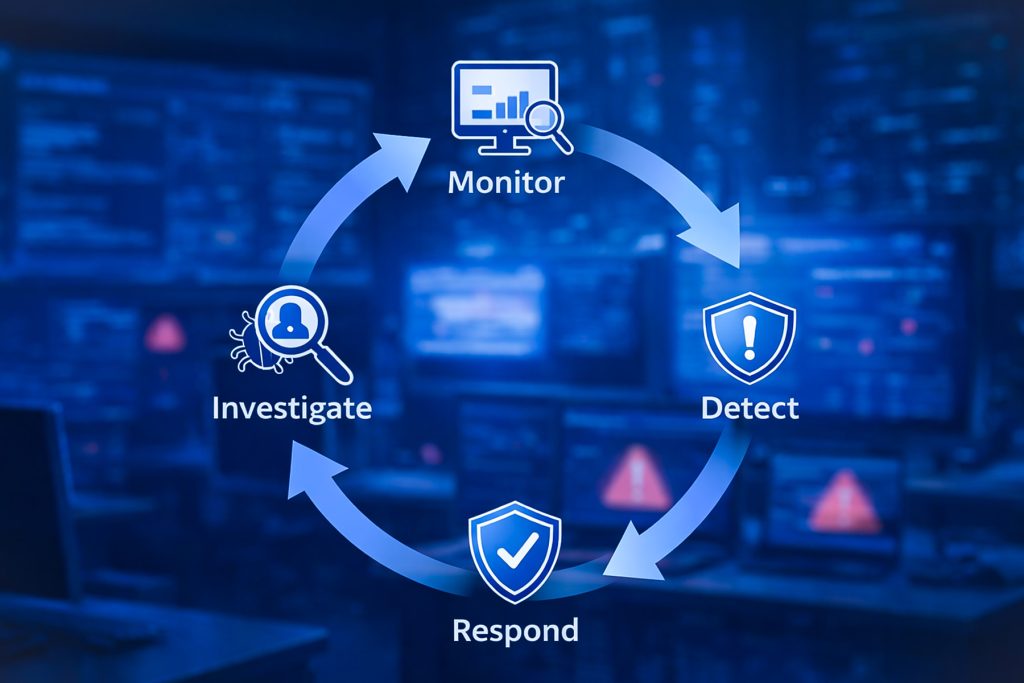
The key difference between MDR and traditional cybersecurity tools is that MDR doesn’t just alert you to problems, it takes action. It combines advanced detection technology with experienced human analysts who validate threats and respond in real time. Instead of hoping someone notices a warning buried in a dashboard, MDR ensures that threats are addressed as they happen.
Most businesses already have some level of security in place. Firewalls, antivirus software, and endpoint protection are common and still important. The issue is that modern cyber threats are specifically designed to bypass these defences.
Attackers no longer rely solely on obvious malware. They use stolen credentials, legitimate system tools, and subtle techniques that look like normal behaviour on the surface. Traditional security tools, which often depend on known threat signatures, simply aren’t built to detect this kind of activity.
Another challenge is volume. Even when advanced tools like EDR or SIEM are in place, they tend to generate large numbers of alerts. Without constant monitoring and expertise, critical warnings can easily be overlooked, especially outside business hours. MDR exists to bridge that gap between technology and real-world response.
How does MDR Work?
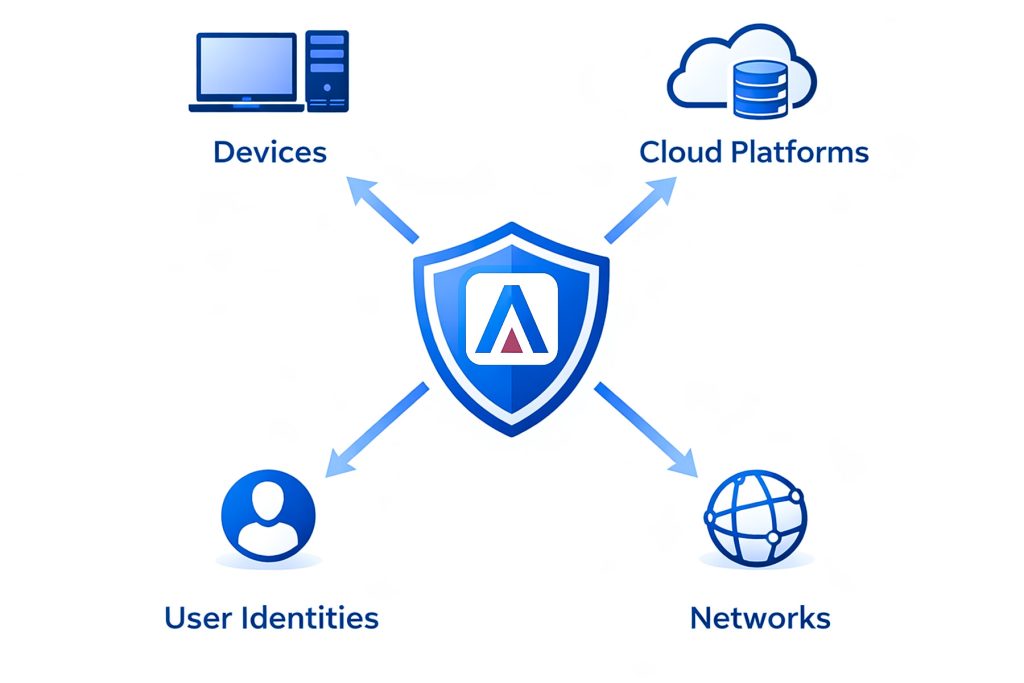
Managed Detection and Response operates as a continuous cycle rather than a one-off solution. Your systems are monitored around the clock, with visibility across endpoints, cloud platforms, user accounts, and network activity. This constant oversight is critical because many data breaches don’t happen instantly, they unfold slowly over days, weeks, or even months.
When unusual behaviour is detected, MDR platforms analyse patterns rather than just files. For example, repeated failed logins from unexpected locations, abnormal access to sensitive data, or scripts running where they shouldn’t be can all indicate a threat in progress. This behavioural approach allows MDR to identify attacks that traditional tools miss.
What truly sets MDR apart is the human element. Instead of relying solely on automation, trained security analysts review suspicious activity to determine whether it’s genuinely malicious. This reduces false alarms and ensures that real threats are prioritised.
Once a threat is confirmed, MDR doesn’t wait for instructions. Actions may include isolating an affected device, blocking a compromised account, or stopping a malicious process before it spreads. These responses are designed to contain incidents quickly while minimising disruption to normal business operations.
What does MDR Protect in your Business?
Managed Detection and Response provides broad coverage across the areas most commonly targeted by attackers. This includes user devices such as laptops and servers, cloud services like Microsoft 365, and user identities where stolen credentials are often exploited. Network traffic is also monitored to identify unusual connections or data movement that could signal an attack.
By covering multiple attack surfaces, MDR delivers a level of visibility that single-purpose security tools simply can’t provide on their own.
MDR isn’t just for large enterprises. In fact, it’s often most valuable for small and medium businesses that don’t have dedicated security staff. Organisations with remote or hybrid teams also benefit significantly, as distributed workforces increase the attack surface.
Businesses handling sensitive information, such as financial data, health records, or student information, are frequent targets and can greatly reduce risk with MDR. Growing organisations facing increased compliance or cyber insurance requirements also find MDR helpful in meeting these obligations.
Benefits of MDR for your Business
From a managed IT support perspective, MDR isn’t just another security layer, it’s what allows businesses to operate with confidence in an increasingly hostile cyber landscape. Rather than relying on reactive tools or manual checks, MDR provides continuous oversight of your systems, ensuring potential threats are identified and addressed before they escalate into real-world disruptions.
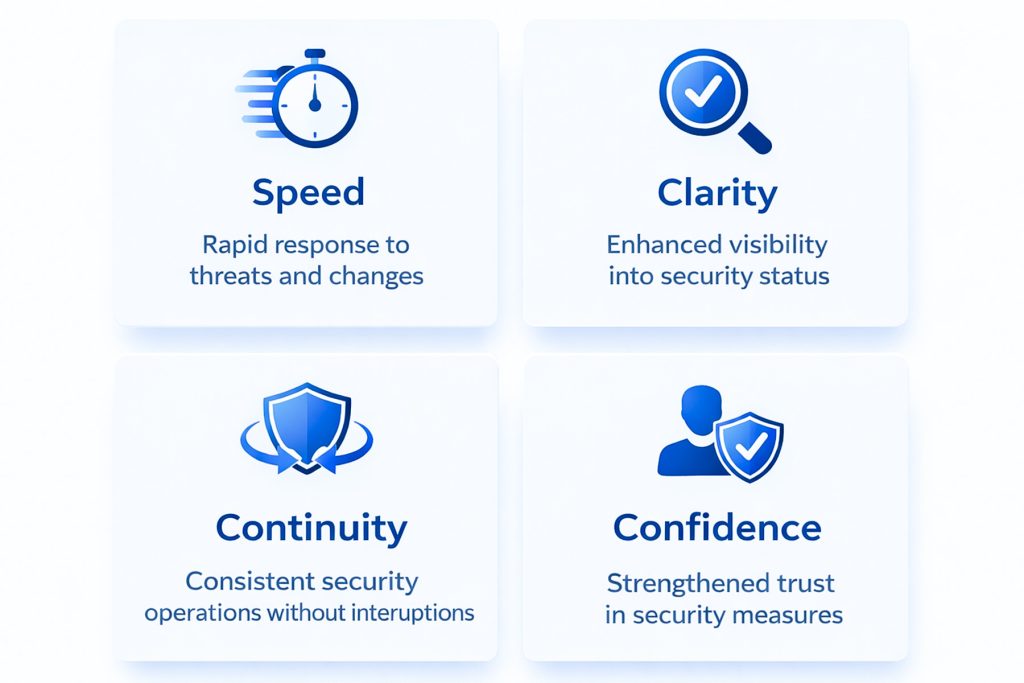
One of the most significant benefits is speed. When suspicious activity occurs, MDR enables immediate investigation and response, often stopping incidents long before users even notice there was a problem. This rapid containment reduces downtime, limits data exposure, and helps maintain day-to-day business operations without interruption.
Managed Detection and Response also brings clarity. Instead of overwhelming businesses with technical alerts, meaningful insights are delivered in a way that makes sense, what happened, how it was handled, and what steps can be taken to reduce future risk. This allows IT strategies to be proactive rather than reactive, strengthening the IT security over time.
From an operational standpoint, MDR supports business continuity. By actively monitoring endpoints, cloud platforms, and user activity around the clock, risks are managed consistently, during business hours and after hours alike. This continuous protection is especially important as workforces become more mobile and cloud dependent.
Ultimately, MDR allows managed IT providers to deliver a higher standard of security as part of an integrated IT strategy. It ensures technology remains available, data stays protected, and businesses can focus on growth, knowing their cybersecurity posture is being actively managed and continuously improved.
Is MDR Worth it?
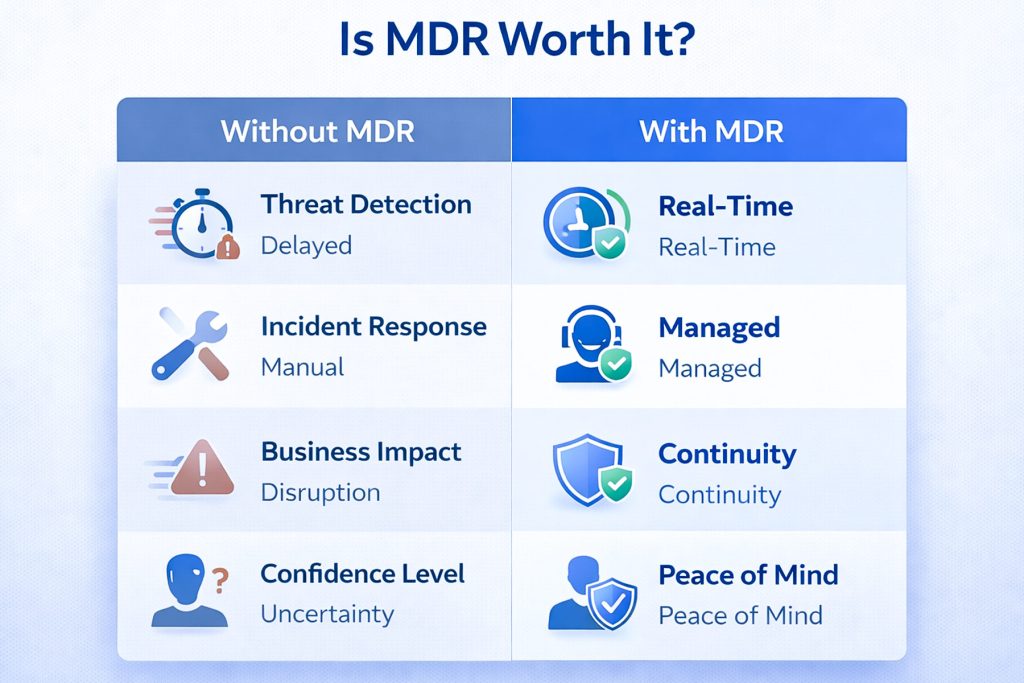
Cyber incidents are, unfortunately, no longer rare events. The real question is how quickly they’re detected and contained. MDR provides businesses with enterprise-grade security capabilities without the overhead of managing them internally.
While cyber threats are global, Australian businesses operate under local regulations and expectations. Data privacy, sovereignty, and industry-specific compliance all play a role in how security should be managed.
Working with a provider that understands the Australian threat landscape and regulatory environment, like our team here at Adept IT Solutions, helps ensure MDR is aligned not only with security best practices, but also with local business realities.
For organisations that value uptime, data protection, and peace of mind, Managed Detection and Response is an investment in business continuity rather than just another IT expense.
How Adept IT Solutions can Strengthen your Cybersecurity
Managed Detection & Response is most effective when it’s implemented as part of a broader, well-managed IT strategy. At Adept IT Solutions, it can be integrated into the way we support and protect our clients’ systems every day, not bolted on as a standalone tool.
Whether you’re looking to strengthen your current security posture or want guidance on how MDR fits into a layered cybersecurity approach, Adept IT Solutions provides local expertise, proactive support, and ongoing management to keep your systems secure as your business grows.
Interested? We’d love to chat with your business today! Contact us now, and strengthen your cybersecurity levels within your business.
You can get in touch with us via phone at 1300 423 378 or email us at info@adept-it.com.au.

